Autonomous trucks, EV mandate shifts, FMCSA medical certification updates, and the real story behind the driver shortage. An honest look at industry trends shaping CDL careers — with sources.
There's a lot of noise about the trucking industry. Autonomous trucks. EV mandates. Driver shortages. Regulatory changes. Some of it is real, some of it is overhyped, and some of it is being used to sell things. Here's what's actually happening — with sources.
Autonomous Trucks: Real Progress, Not Driver Replacement
Aurora Innovation launched commercial driverless trucking on select Texas routes in early 2025, becoming one of the first autonomous trucking companies to operate commercially without a safety driver in the cab. This is a genuine industry milestone and worth acknowledging honestly.
What it means for new CDL drivers as of May 2025:
- Aurora's operations are limited to specific long-haul Texas routes — high-frequency, favorable conditions, significant infrastructure investment. This is not a nationwide rollout.
- The technology is not yet proven at scale across all freight types, weather conditions, urban environments, and regulatory jurisdictions. Significant regulatory, insurance, and technical frameworks remain unsettled.
- The consensus among fleet operators and industry analysts in 2025 is that autonomous trucks will take on a subset of predictable long-haul routes over time — while regional, urban, specialized, and complex freight will continue to require human drivers for the foreseeable future.
- The ATA still projects demand for hundreds of thousands of new drivers through the 2030s, accounting for expected autonomous adoption rates.
Taylor Made's Take
Get your CDL. The transition is real, but it is gradual. Skilled drivers with endorsements, clean records, and professional discipline are not who automation replaces first — or second.
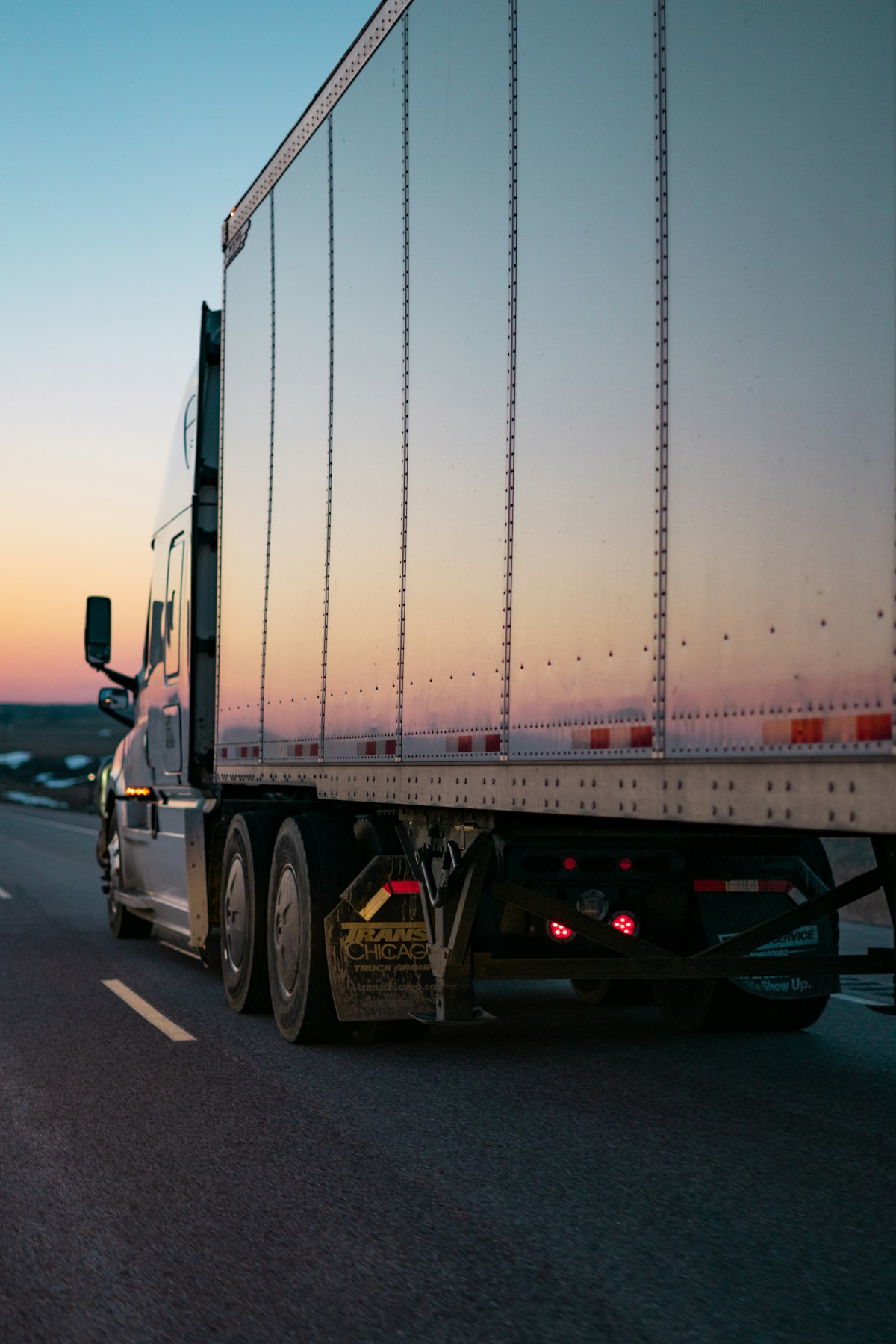
The trucking industry keeps evolving
EV Mandates: Federal Pullback
Several federal and California-driven electric vehicle mandates for commercial trucks have faced significant rollback as of 2025. The EPA's Clean Trucks Plan and California's Advanced Clean Trucks regulation both encountered legal challenges, administrative delays, and political reversals that pushed timelines out considerably from 2022–2023 projections.
What This Means for You
Diesel-powered commercial vehicles remain the overwhelming majority of the fleet. EV commercial trucks will still require a CDL — the skills, regulations, and professional standards are fuel-type independent. Your training investment is durable regardless of how the EV transition unfolds.
FMCSA: Medical Certificate Process Update
The FMCSA updated the commercial driver medical certification process beginning in 2023–2024. Certified medical examiners now submit results electronically directly to state licensing agencies through the FMCSA's National Registry system, replacing the previous paper certificate process in most states.
Before
Paper certificate process
Now
Electronic submission to state agencies
Washington State participates in this updated process. CDL applicants should confirm current procedures with their medical examiner and WA DOL when scheduling their physical. See our Getting Started guide for the full pre-training process.
Driver Shortage: Real, but the Numbers Are Complicated
The ATA has published driver shortage figures for years. Some labor economists have argued that a genuine shortage would push wages to equilibrium, and wages for experienced drivers have risen meaningfully. That debate is worth knowing about.
Feb 2022
FMCSA ELDT requirements took effect
Employers are constantly hiring — and competing for qualified drivers. The retirement wave is real. FMCSA's ELDT regulations were specifically designed to address training quality gaps at the entry level — the regulatory attention alone signals how seriously this is being tracked at the federal level.
Taylor Made's Take
The "shortage" framing is imprecise, but the underlying dynamics — retirement wave, high turnover, freight growth — create a favorable entry environment for qualified new drivers. The market rewards professionalism and clean records.
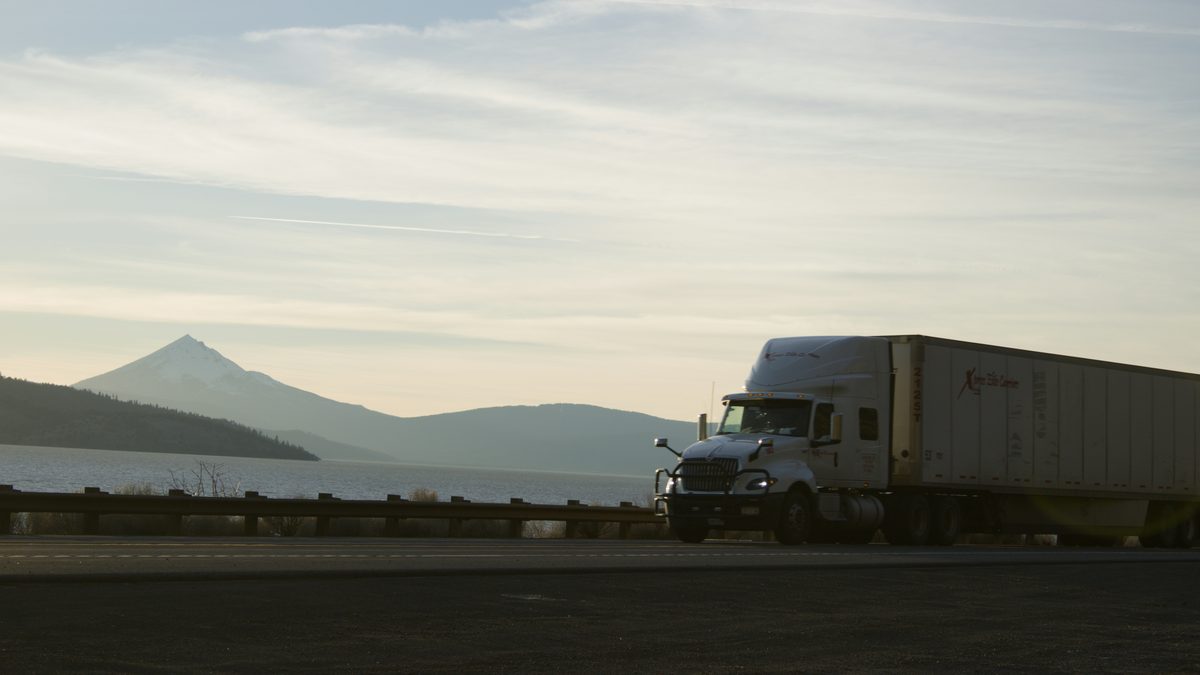
Trucking in the Pacific Northwest
Washington State: What to Know Locally
Skills Testing Appointments
Scheduling has been impacted by staffing and availability at state sites. Plan ahead — don't wait until the last week of your CLP validity window.
WorkSource CDL Funding
State workforce development funding for CDL training through WorkSource programs has continued. Eligibility varies. See our resources page.
The Bottom Line
Trucking is changing — as it has every decade for the past century. The drivers who build careers in this industry treat it as a profession: maintain their records, pursue endorsements, stay current on regulatory changes, and bring discipline to every mile.
If you're ready to start, we're ready to train you. See our programs or call us at (360) 746-0806.
Ready to Enter a Stable Industry?
Taylor Made · Burlington, WA · (360) 746-0806