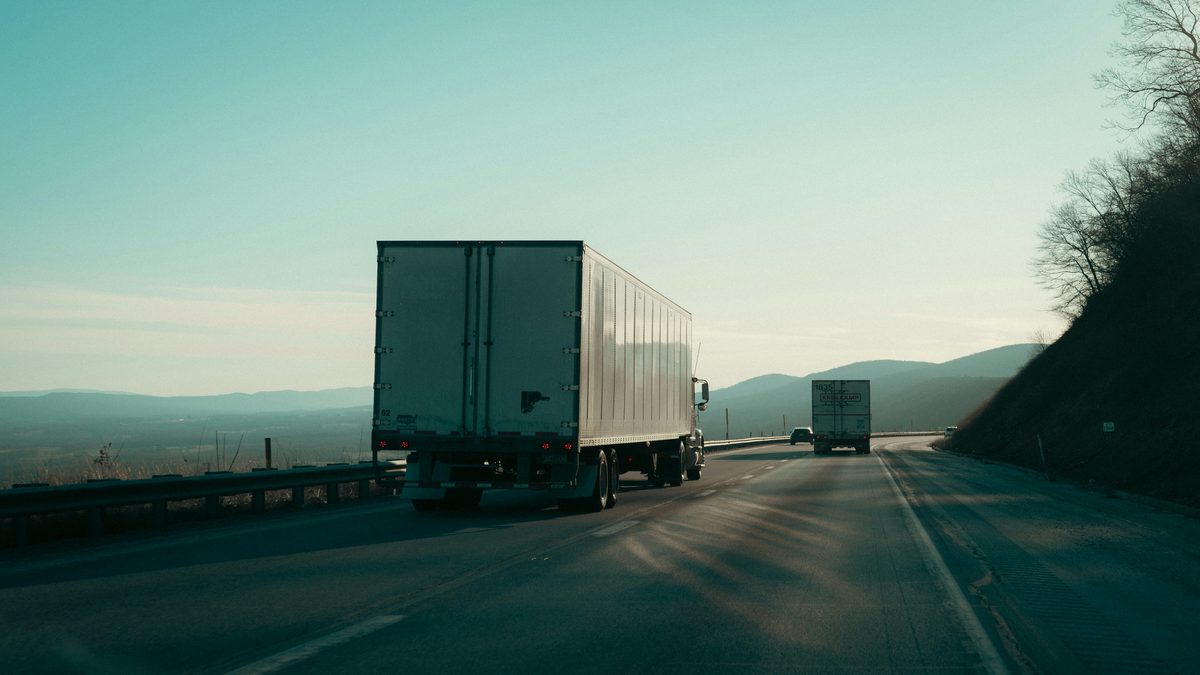
Employment of heavy truck drivers is projected to grow through 2034 (BLS), wages in Washington exceed living-wage benchmarks, and a CDL can be earned in weeks — not years. An evidence-based case for a commercial driver's license.
If you're thinking about a career change and someone mentioned truck driving, this is the post that answers the first honest question: Is it actually worth it?
Short answer: for the right person, yes — and the numbers back it up.
Job Growth Through 2034
The U.S. Bureau of Labor Statistics (BLS) projects employment of heavy and tractor-trailer truck drivers to grow through 2034. The American Trucking Associations (ATA) estimates the industry will need to hire roughly 1.1 million new drivers over the next decade — primarily to replace retiring drivers, with freight growth on top of that.
1.1M
New drivers needed over the next decade
American Trucking Associations
That's not a sales pitch. It's a structural demographic reality. Retirements are outpacing new entries. Companies are competing for qualified drivers — which means signing bonuses, better pay, and improved working conditions have followed.
What Drivers Earn in Washington State
Washington State is one of the better markets in the country for CDL drivers. According to BLS Occupational Employment and Wage Statistics, the median annual wage for heavy and tractor-trailer truck drivers in the Seattle-Tacoma-Bellevue metro area is consistently among the highest in the nation.
WA CDL Driver Earnings — Median Annual
Sources: BLS OES (May 2023), WA L&I. WA minimum wage $16.28/hr × 2,080 hrs.
Pay structures vary: per-mile rates, hourly, or salary depending on employer and route type. Regional and local runs often pay hourly and get you home every night. Long-haul routes can generate higher gross earnings. The right structure depends on what you're optimizing for.
Wage figures are industry averages based on BLS data. Individual earnings depend on employer, route type, endorsements, experience, and market conditions. Past trends don't guarantee future results.
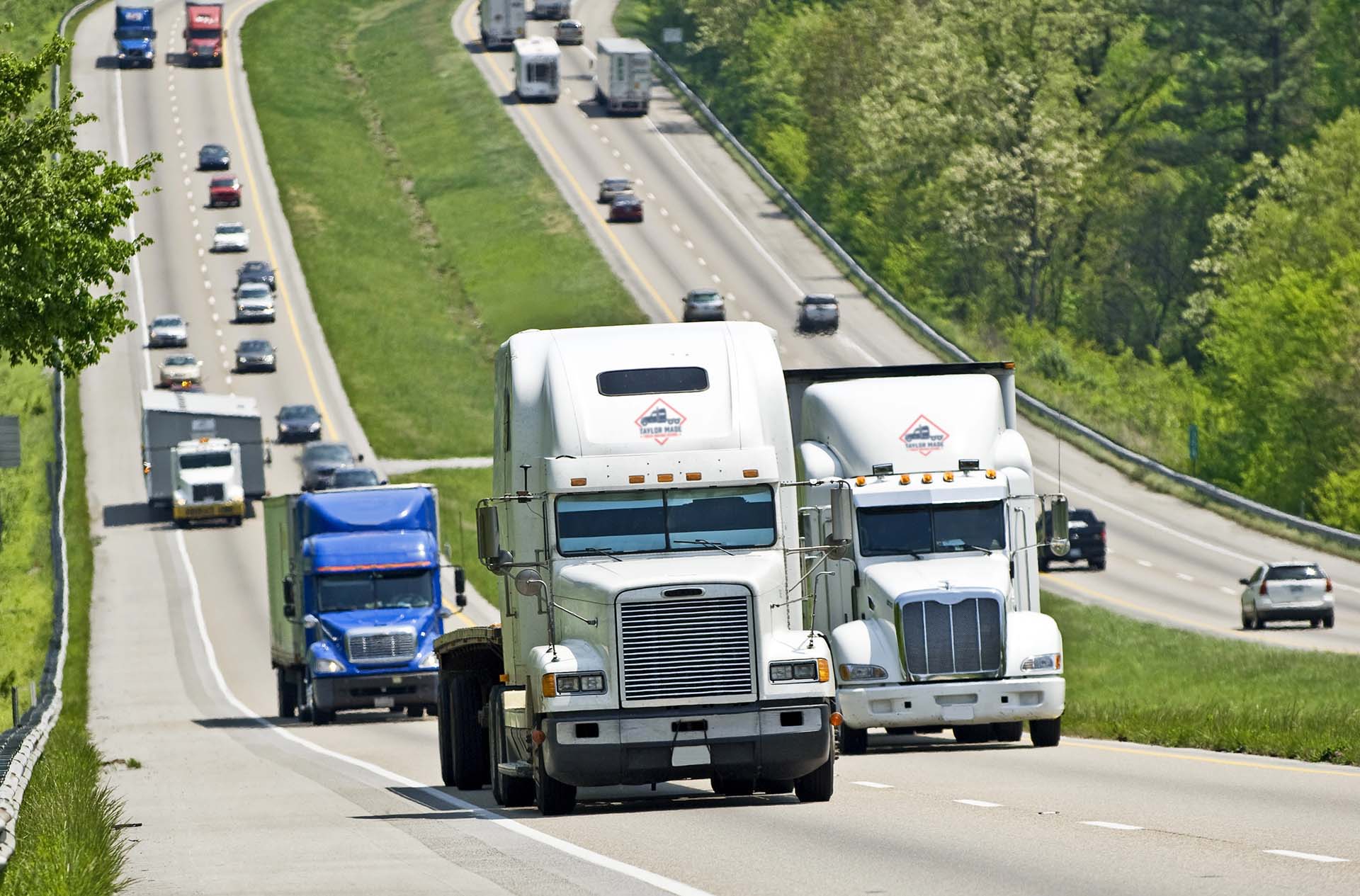
Taylor Made Truck Driving School fleet
The Timeline Advantage
A four-year degree takes four years and costs tens of thousands of dollars before you earn your first paycheck in your field. A Class A CDL program at Taylor Made takes four to six weeks. You can be qualified and eligible to work as a commercial driver in the same time it takes most people to finish one college semester.
4–6 Weeks
CDL training to employment
4 Years
Four-year college degree
Every month not working is income you're not earning. Faster training means faster return on your investment — and a faster start to building experience and seniority.
Which CDL Is Right for You?
A CDL isn't a single license — there are two main classes, each with different requirements and job types:
Class A CDL
Combination vehicles — tractor-trailers, flatbeds, tankers with trailers. Required for long-haul trucking, regional freight, and most high-paying driving positions.
Class B CDL
Single large vehicles without a trailer — straight trucks, dump trucks, large buses, school buses.
Class B Program →Endorsements add further specialization: hazmat, passenger, school bus, and tanker — plus doubles/triples, which is covered in our Class A programs linked above. Each one expands what jobs you can take and typically what you can earn.
Career Paths That Open Up
Local Delivery
Home every night. Regular schedule. High demand in retail, food distribution, and construction supply along the I-5 corridor.
Regional Driving
Home weekly. Often the best balance of earnings and lifestyle.
Over-the-Road (OTR)
Highest gross earnings potential for many drivers. More time away from home.
Specialized Freight
Flatbed, tanker, refrigerated, oversized. Endorsements add earning power.
Owner-Operator
Run your own truck, set your own rates. A realistic 5–7 year path for disciplined drivers.
CDL Instructor
After two-plus years of clean driving experience — teach the next generation.
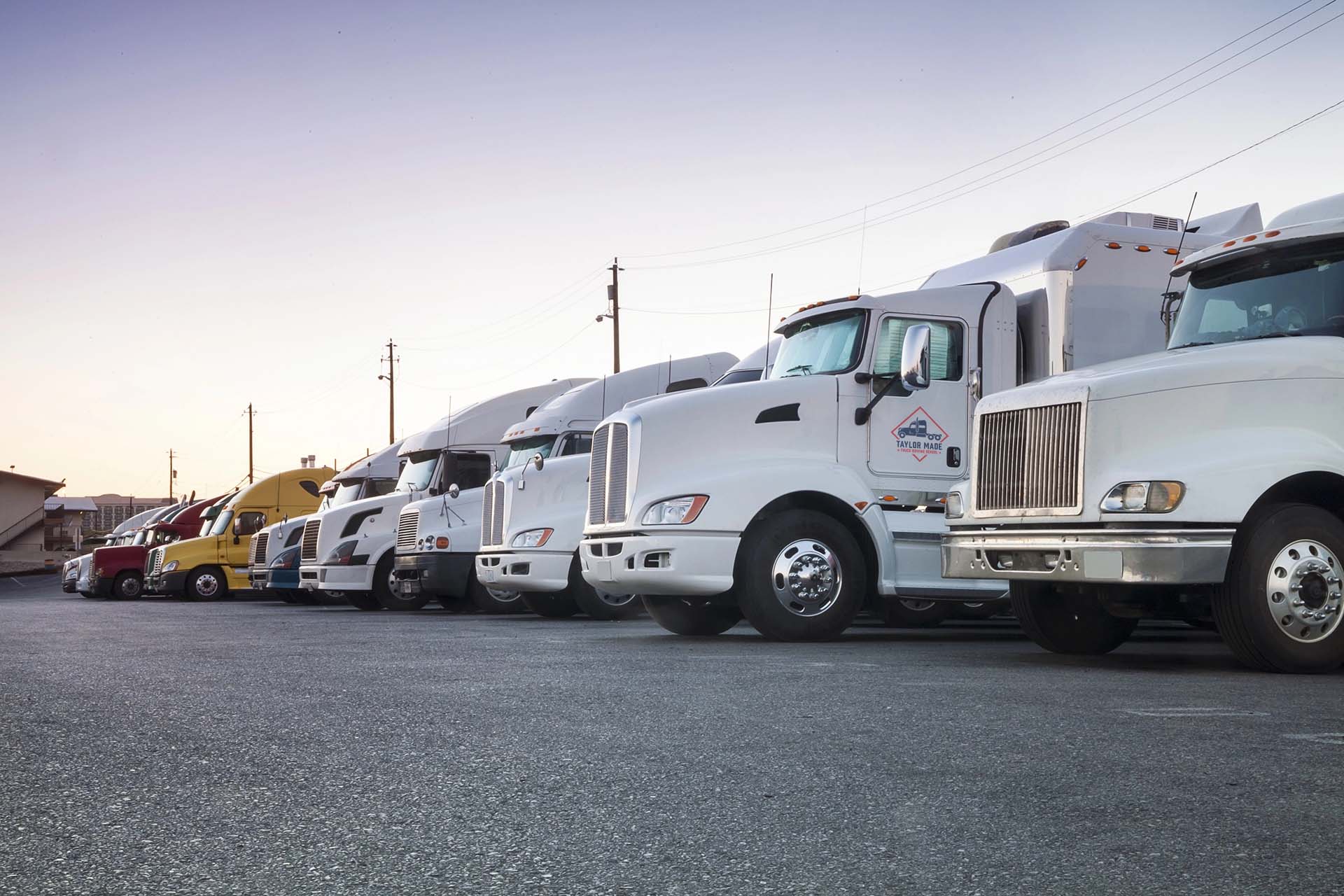
Taylor Made TDS training fleet
The Stability Factor
Freight moves during recessions. It moved during the pandemic. Commercial driving has proven more recession-resistant than a lot of work that can be outsourced, eliminated, or replaced by software.
Why trucking is resilient: According to the ATA's economics and industry data, trucks move approximately 72.6% of the nation's freight tonnage. That freight doesn't stop during economic downturns — food, fuel, medical supplies, and construction materials still need to move.
Autonomous vehicle technology is advancing — we cover that honestly in our industry trends article. But the consensus among fleet operators and researchers as of 2025 is that full driver replacement by automation remains years away, particularly for complex regional and local routes.
The Bottom Line
CDL careers offer solid pay, real job stability, a short path to employment, and genuine room to grow. They also require physical discipline, professional pride, and a tolerance for early mornings. It's not for everyone — but if it's for you, there's no faster path to it.
Taylor Made Truck Driving School is based in Burlington, WA. We're licensed by the Washington Workforce Training and Education Coordinating Board (WTB) and the WA Department of Licensing, and we're listed on the FMCSA Training Provider Registry.
Want to see how CDL training stacks up against a four-year degree? Read Part 2: CDL vs. College — The ROI Comparison. Or contact us and we'll walk you through the whole process directly.
Ready to Start Your CDL Career?
Talk to our team at (360) 746-0806 — or enroll online.