The cost of untrained drivers, high turnover, and preventable accidents. Industry data on crash costs, turnover costs, and what organizations with comprehensive training programs achieve versus those without.
If you're running commercial vehicles and you've been deferring driver training as a cost you'll deal with later, this post is the math on what "later" actually costs. The numbers below are published industry figures from FMCSA and the ATA — not TMTDS-specific data. We're putting them in one place.
The Crash Cost Calculation
$91,000
Average cost per large truck crash
FMCSA published average
$3.6M+
Crash cost with fatalities
Total economic costs — FMCSA
These are FMCSA published averages. Your actual exposure depends on your fleet, routes, cargo, and insurance structure.
The relevant question is never "can we afford training?" It is: what is one preventable accident worth to us?
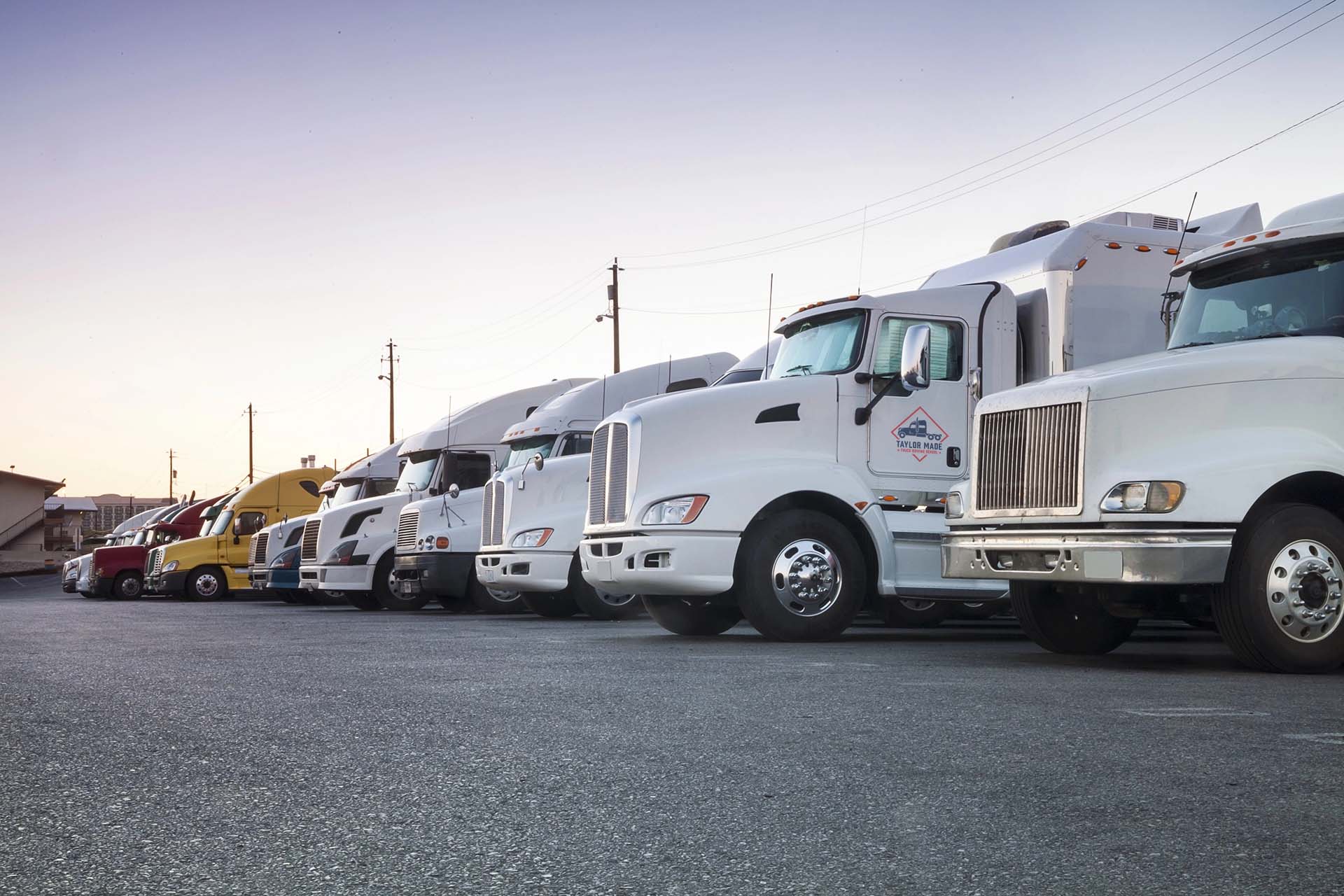
A well-trained fleet starts with quality instruction
The Turnover Cost Calculation
$8,000–$12,000
Cost to replace a single commercial driver
Recruiting, onboarding, and productivity loss — ATA economics and industry data
At large truckload carriers, annual driver turnover has historically exceeded 80–90% (ATA). For a fleet of 50 drivers at 80% annual turnover, that's 40 replacements per year:
Annual Turnover Cost — 50-Driver Fleet
Based on ATA figure of $8,234 per driver replacement.
Drivers who receive quality training tend to stay longer. The investment compounds: lower accident rates, lower insurance claims, higher retention, better service consistency.
Training and Profitability
Lower Crashes + Lower Turnover = Lower Costs
The math is straightforward: trained drivers make fewer costly errors, generate fewer liability events, and stay longer
The mechanism is direct: if your average crash costs $91,000 (FMCSA) and each driver replacement costs $8,000+ (ATA), then reducing both directly improves your bottom line. The training investment pays for itself when it prevents even one preventable accident or retains even a few drivers longer.
Individual company results depend on implementation quality, fleet type, routes, and market conditions.

The business case for professional training
What Federal Compliance Now Requires
Since February 7, 2022, FMCSA's Entry-Level Driver Training (ELDT) regulations (49 CFR Part 380) require that all new CDL applicants complete ELDT with an FMCSA Training Provider Registry-listed provider before taking their skills test.
Compliance Risk
Hiring drivers who haven't completed ELDT through a registered provider exposes your operation to regulatory risk. Verify training provider status through the TPR before onboarding new hires.
Taylor Made Truck Driving School is listed on the FMCSA Training Provider Registry and delivers ELDT-compliant training for Class A and Class B CDLs.
What Taylor Made Offers Employers
Pre-Employment Pipeline
Connect with graduates who complete our program with verified, compliant training and a clean record. Contact us about our employer referral process.
Endorsement Training
Current employees pursuing tanker, HazMat, passenger, or other endorsements. See our endorsement programs.
Refresher Training
Drivers returning after extended absence or with performance concerns. See our refresher program.
Custom Training
Specialized training built around your vehicle types, routes, or operational requirements. Contact us to discuss.
Talk to Us
If you're a fleet manager, HR director, or operations manager reviewing your driver training strategy, we're worth a conversation. We understand the operational reality of running trucks — our owners have been doing it for decades.
Call us at (360) 746-0806 or email admin@taylormadetds.com.
Taylor Made Truck Driving School · 650 N. Burlington Blvd., Burlington, WA 98233
Licensed by the Washington Workforce Training and Education Coordinating Board (WTB) and WA DOL · Listed on the FMCSA Training Provider Registry
Let's Talk About Your Training Needs
Custom programs, endorsement training, refresher courses — or a new driver pipeline.